January 12, 2025
Screen Protector for Phone: Glass vs Film vs Liquid
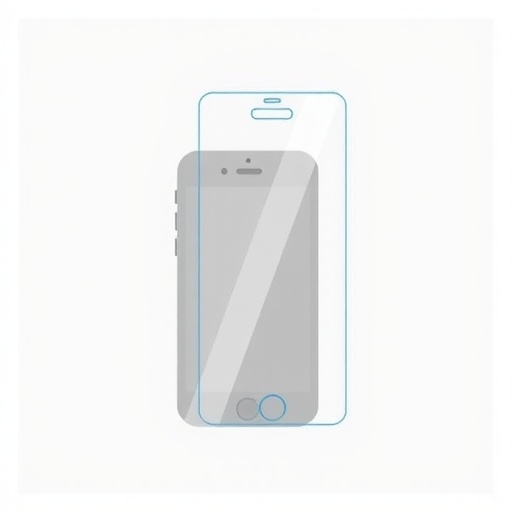
Your phone's screen is its most vulnerable component. A single crack or deep scratch can render an expensive device nearly unusable. While phone cases protect the body, screen protectors are essential for safeguarding your display. With multiple types available, choosing the right protector for phone screens can be confusing.
This comprehensive guide examines the three main types of screen protectors: tempered glass, plastic film, and liquid protectors. We'll explore their advantages, disadvantages, and ideal use cases to help you make an informed decision.
Tempered Glass Screen Protectors
Tempered glass protectors have become the gold standard for screen protection. These protectors consist of multiple layers of chemically or thermally treated glass that's significantly stronger than regular glass.
How Tempered Glass Protectors Work
Tempered glass undergoes a special heating and cooling process that increases its strength. When installed on your phone, it acts as a sacrificial layer. If you drop your phone, the protector absorbs the impact and may crack, but your actual screen remains intact underneath.
Quality tempered glass protectors typically measure between 0.3mm and 0.5mm thick. Despite this thickness, they maintain excellent touch sensitivity and clarity. Most feature an oleophobic coating that repels fingerprints and oils, keeping your screen cleaner.
Advantages of Tempered Glass
The primary advantage of tempered glass is superior impact protection. These protectors can withstand significant force and prevent cracks from reaching your phone's display. They feel smooth and similar to your phone's original screen, providing an excellent user experience.
Tempered glass protectors are easy to install. Most come with alignment tools and are relatively forgiving during application. Air bubbles can usually be pushed out easily, and the rigid structure prevents the warping that affects film protectors.
These protectors maintain excellent screen clarity and don't yellow over time. They preserve color accuracy and brightness, ensuring your display looks as good as without protection. Many include features like blue light filtering or privacy screens.
Disadvantages of Tempered Glass
The main drawback is thickness. While minimal, it adds bulk to your phone and may create a slight ridge around the edges. This can affect case compatibility, particularly with tight-fitting cases.
Tempered glass protectors cost more than film alternatives, typically ranging from ten to thirty dollars. Quality varies significantly, with cheaper options offering less protection and more installation challenges.
For phones with curved screens, finding a compatible glass protector can be challenging. Full coverage glass protectors for curved displays are expensive and may suffer from edge lifting or touch sensitivity issues.
Plastic Film Screen Protectors
Plastic film protectors were the original screen protection solution and remain popular due to their affordability and versatility.
Types of Film Protectors
Film protectors come in several varieties. PET film is the most common and affordable option, offering basic scratch protection. TPU film is thicker and more flexible, providing better impact absorption. Some premium films feature self-healing technology that repairs minor scratches over time.
Advantages of Film Protectors
Film protectors are incredibly thin, typically measuring less than 0.2mm. This minimal thickness preserves the phone's original feel and doesn't interfere with case installation. They work perfectly with any phone shape, including curved edges.
These protectors are very affordable, often costing just a few dollars. This makes them ideal for budget-conscious users or those who prefer replacing protectors frequently. Multiple protectors in a pack provide excellent value.
Film protectors are highly flexible, reducing the risk of cracking during installation or use. They conform perfectly to curved screens without edge lifting, a common problem with glass protectors on modern phones.
Disadvantages of Film Protectors
The major limitation is protection level. While excellent for preventing scratches, film protectors offer minimal impact protection. They won't prevent screen cracks from drops or hard impacts.
Installation can be frustrating. Film protectors are prone to dust particles and air bubbles during application. Getting a perfect, bubble-free installation requires patience and often multiple attempts.
Plastic film can affect screen clarity and touch sensitivity. Some users report a slightly plastic feel compared to glass, and cheaper options may reduce screen brightness or sharpness. Film protectors can also develop an orange peel texture over time.
Liquid Screen Protectors
Liquid screen protectors represent the newest category of screen protection. These products consist of liquid glass or nano-coating that bonds with your screen at a molecular level.
How Liquid Protectors Work
Liquid screen protectors come in small bottles or wipes. You apply the solution to your clean screen and spread it evenly. After curing for several hours, the liquid forms an invisible, hard coating that increases surface hardness and scratch resistance.
The coating fills in microscopic imperfections in your screen, creating a smoother surface. Manufacturers claim this invisible layer adds 9H hardness, the highest rating on the pencil hardness scale used for screen protection.
Advantages of Liquid Protectors
The most appealing feature is invisibility. Liquid protectors add absolutely no thickness or visual interference. Your phone looks and feels exactly as it did without protection, maintaining the premium feel of the original screen.
These protectors work on any device with a glass screen, regardless of shape or size. They're perfect for curved screens, camera lenses, smartwatches, and even tablets. One bottle often provides enough coating for multiple devices.
Liquid protectors don't affect touch sensitivity, face recognition, or fingerprint scanners. They're compatible with any phone case and won't peel or lift at the edges since there are no physical edges.
Disadvantages of Liquid Protectors
The effectiveness of liquid protectors is debated. Independent testing shows they offer limited protection compared to glass protectors. While they prevent minor scratches, they won't stop your screen from shattering during a significant impact.
Once applied, liquid protectors are permanent. If you're unhappy with the results, you cannot remove them like traditional protectors. The coating gradually wears away over time, requiring reapplication every few months for continued protection.
Quality liquid protectors are expensive, often costing more than premium glass protectors. Given their limited protection, the value proposition is questionable for many users.
Choosing the Right Protector for Your Needs
The best screen protector depends on your specific situation, priorities, and budget. Let's examine ideal scenarios for each type.
Choose Tempered Glass If...
Tempered glass is ideal if maximum protection is your priority. It's perfect for clumsy users who frequently drop their phones or those working in environments where impacts are likely. If you value the premium feel of glass and don't mind spending more for better protection, tempered glass is your best bet.
Glass protectors work best on flat screens or gently curved displays. They're also excellent for phones you plan to keep for several years, as the investment in quality protection pays off over time.
Choose Film Protectors If...
Film protectors suit budget-conscious users who primarily need scratch protection. They're perfect for phones with heavily curved screens where glass protectors don't adhere well. If you prefer the thinnest possible protection or frequently change protectors, film is a practical choice.
Film protectors also work well for careful users who rarely drop their phones but want to prevent pocket scratches from keys or coins. They're ideal for maintaining resale value without significant investment.
Choose Liquid Protectors If...
Liquid protectors appeal to users who value aesthetics above all else. If maintaining your phone's original look and feel is paramount, and you're willing to sacrifice some protection, liquid coating might work for you.
They're also suitable for devices where traditional protectors don't fit well, such as smartwatches or devices with unusual screen shapes. Consider liquid protectors as a supplement to, rather than a replacement for, traditional protection.
Installation Tips and Best Practices
Proper installation ensures your screen protector performs optimally, regardless of type.
For tempered glass, clean your screen thoroughly with the provided alcohol wipe and microfiber cloth. Work in a dust-free environment, preferably a steamy bathroom where humidity settles dust particles. Use the alignment tool to position the protector correctly, then gently press the center to allow it to adhere naturally. Remove any bubbles by pushing them toward the edges with a credit card.
Installing film protectors requires extra patience. After cleaning, work in a very clean environment. Peel back only a small portion of the backing initially, align it precisely, then slowly remove the rest while smoothing the film with a card. Take your time to avoid trapping dust or creating bubbles.
For liquid protectors, follow the manufacturer's instructions precisely. Apply the solution to a clean screen, spread it evenly, and allow adequate curing time before touching the screen. Avoid using the phone during the curing period to ensure proper bonding.
Conclusion
Each type of screen protector offers distinct advantages. Tempered glass provides the best overall protection and user experience, making it the top choice for most users. Film protectors offer excellent value and work well for specific situations like heavily curved screens. Liquid protectors provide an invisible solution but with limited protective benefits.
Consider your lifestyle, budget, and phone design when making your decision. Remember, the best protector for phone screens is the one you'll actually use consistently. Invest in quality protection to safeguard your valuable device and enjoy peace of mind.